
The hidden psychology behind gambling Understanding its effects on the mind
The Allure of Gambling
The allure of gambling can be traced back to deep-seated psychological motivations. Many individuals are drawn to the thrill of uncertainty, where the stakes become an exhilarating game of chance. This thrill is often fueled by the potential for significant rewards, which can create an intoxicating mix of excitement and anticipation. For some, the possibility of winning big can serve as a powerful motivator, pushing them to engage in gambling activities repeatedly. In fact, when searching for fun and rewarding options, players often consider the best online real money pokies australia to enhance their experiences.

This psychological phenomenon is not merely about monetary gain; it encompasses the social and emotional aspects associated with gambling. People often perceive gambling as a form of entertainment or social engagement, allowing them to bond with friends or meet new individuals. This social element can enhance the overall experience, making it even more appealing and potentially addictive.
The Role of Cognitive Biases
Cognitive biases play a crucial role in how individuals perceive and engage with gambling. One of the most common biases is the illusion of control, where gamblers believe they can influence the outcome of a game through their actions. This mindset can lead to overconfidence, encouraging players to take risks they might not otherwise consider.
The Emotional Roller Coaster of Gambling
The emotional roller coaster associated with gambling can greatly impact the mind. Winning can evoke feelings of euphoria and elation, reinforcing the desire to gamble further. Conversely, losses can lead to disappointment and frustration, resulting in an urge to recover lost funds. This cycle of highs and lows can create a powerful addiction, where individuals feel compelled to continue gambling to recapture the initial thrill.
The Impact of Environment and Social Factors
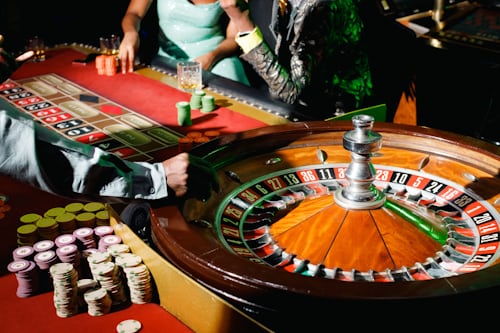
The environment in which gambling takes place can significantly affect behavior and decision-making. Factors such as location, ambiance, and social interactions can create a sense of urgency or relaxation that influences how individuals gamble. For example, brightly lit casinos with loud sounds and celebratory atmospheres can heighten excitement, compelling players to spend more time and money.
Resources for Responsible Gambling
Understanding the psychology behind gambling is essential for promoting responsible gambling practices. Players need to be aware of the potential effects on their mind and how cognitive biases can lead to unhealthy habits. Resources are available for those who feel they might be struggling, including counseling services and educational programs aimed at enhancing awareness of responsible gambling.

Leave A Comment