
Understanding the psychology behind casino players’ decisions
The Allure of Gambling
The psychology behind why individuals are drawn to casinos is complex, weaving together elements of thrill, risk, and social interaction. Many players experience an adrenaline rush from the act of gambling, which can lead to a heightened sense of excitement. This rush, often referred to as “gambling excitement,” triggers the brain’s reward system, releasing dopamine and creating feelings of pleasure. This biochemical reaction can often overshadow the risks involved, encouraging players to return to the casino for more of that exhilarating experience. Furthermore, many people are now discovering bitcoin casinos as an alternative way to indulge in this thrill without traditional banking methods.
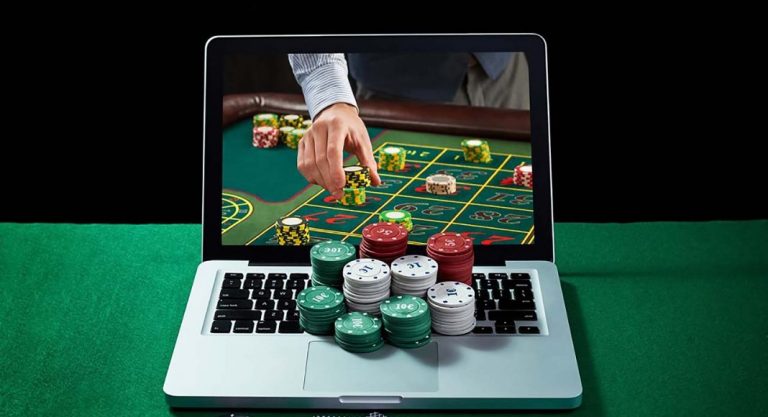
Moreover, the atmosphere of a casino itself plays a crucial role in attracting players. Bright lights, the sound of spinning slots, and the excitement of fellow gamblers create an intoxicating environment. This sensory overload not only captivates attention but also reinforces the desire to play. As players immerse themselves in this stimulating environment, they are often less aware of the risks they are taking, further compelling them to make impulsive decisions.
The Role of Cognitive Biases
Cognitive biases significantly influence players’ decisions at casinos, often leading them to make irrational choices. One prevalent bias is the illusion of control, where players believe they can influence the outcome of games that are entirely based on chance. For instance, a player might feel that their betting strategies can tilt the odds in their favor, despite the inherent randomness of slot machines or roulette. This belief can lead to persistent gambling, as players continue to chase losses based on their misguided confidence.
Another common bias is the gambler’s fallacy, where players assume that past outcomes will affect future ones. For example, if a particular number hasn’t come up in roulette for several spins, a player might feel it is “due” to appear soon. Such misconceptions can lead to increased betting and further losses, as players continue to rely on faulty reasoning instead of probability and statistics.
Emotional Factors in Gambling
Emotions play a critical role in the decision-making processes of casino players. Players often gamble to escape negative feelings, seeking solace in the hope of winning. This emotional gamble can provide temporary relief from stress, anxiety, or sadness, but it can also lead to compulsive behaviors. When players chase their losses, believing that a big win is just around the corner, they often find themselves trapped in a cycle of emotional highs and lows.
Additionally, the social aspect of gambling can greatly impact player behavior. Many individuals find camaraderie in shared experiences at the casino, where they can connect with others over games. This social interaction can enhance the enjoyment of gambling but may also encourage riskier behavior as players feel a sense of belonging or peer pressure. The social dynamics within a casino environment can amplify emotions, leading to decisions that players may not make in isolation.
Myths and Misconceptions
Despite the vast amount of information available about gambling, many myths and misconceptions persist, influencing players’ decisions. One common myth is that casinos use “hot” and “cold” machines, leading players to believe that certain slots are more likely to pay out than others. This belief can lead individuals to chase after specific machines, ultimately impacting their gambling strategies and expectations.
Another misconception is that players can “beat the house” through strategies or tricks. While some games do involve an element of skill, most casino games are designed to favor the house. Understanding these myths can help players make more informed decisions and approach gambling with a more realistic mindset, potentially reducing the likelihood of problematic gambling behavior.

Conclusion: Exploring Gambling Behavior on Our Website
Understanding the psychology behind casino players’ decisions is crucial for both players and industry stakeholders. By recognizing the emotional and cognitive factors that drive gambling behavior, individuals can make more informed choices and enjoy gambling responsibly. Our website aims to provide valuable insights into gambling psychology, offering resources and information to help players navigate their experiences in casinos.
Whether you’re a seasoned gambler or new to the scene, exploring the intricacies of gambling psychology can enhance your understanding and enjoyment. Join us as we delve deeper into the fascinating world of gambling, debunking myths and shedding light on the psychological aspects that influence decisions at the casino.

Leave A Comment